


If you have fine, straight hair, you probably know the struggle of trying to keep it in place. Buns slowly collapse, ponytails loosen throughout the day, and many hair clips seem to slide right out no matter how carefully you style them. For people with smooth, lightweight hair, finding an accessory that truly holds can feel almost impossible.
But occasionally, a simple discovery changes everything. Sometimes the right hair clip—designed with the correct grip and structure—can turn a frustrating styling routine into something quick and effortless.
Here’s why fine hair can be so difficult to secure, and what makes certain hair clips far more effective than others.
Why Fine Hair Slips Out of Most Clips
Fine hair tends to be soft, smooth, and lightweight. While those qualities can make it look silky and healthy, they also create challenges when styling.
Many hair accessories are designed for thicker or textured hair. These clips often rely on pressure alone to hold hair in place, which doesn’t work well for strands that are naturally slippery.
As a result, people with fine hair often rely on extra styling tricks—texturizing sprays, dozens of bobby pins, or elaborate styling techniques—to keep their hair secure. Even then, styles can fall apart after just a few hours.
The key to solving this problem often lies in the design of the hair accessory itself.
The Secret Behind a Better Hair Clip
Not all hair clips are built the same. The most effective clips for fine hair typically include a design feature that improves grip.
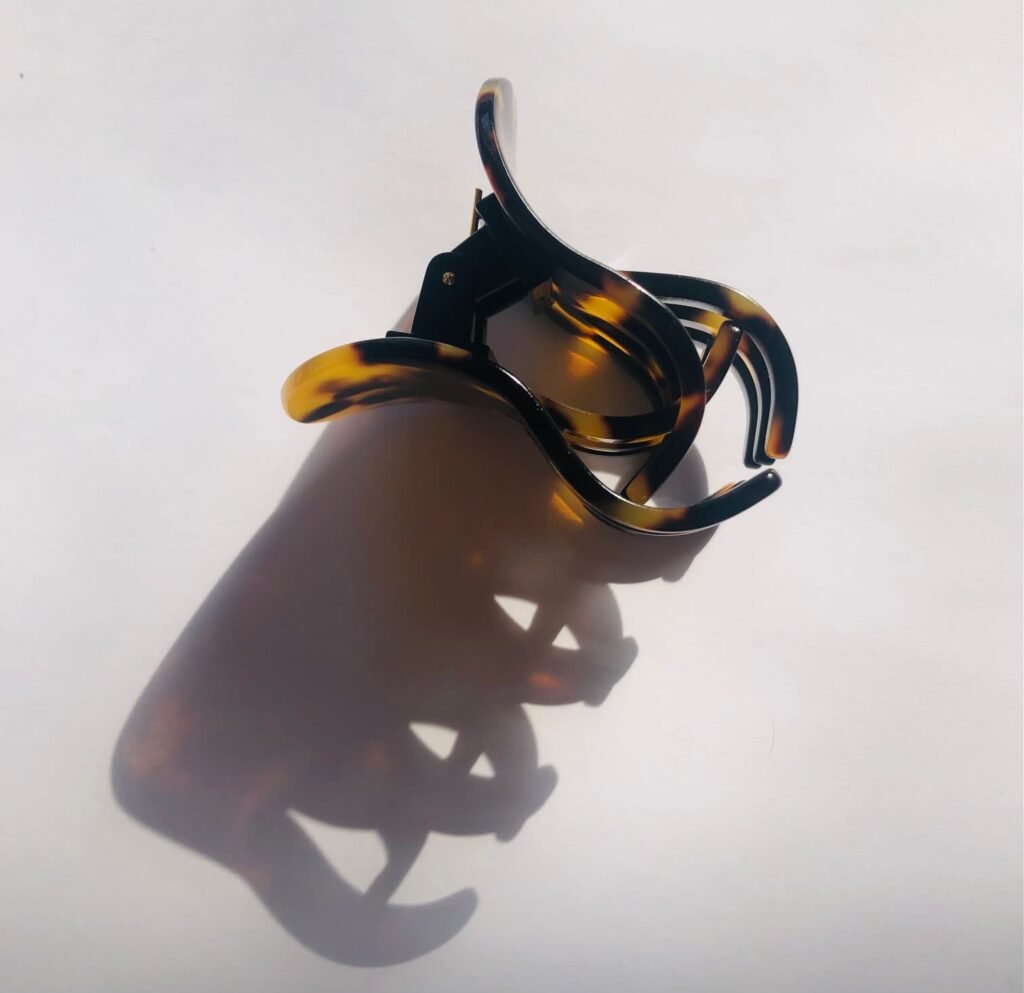
One example is a clip with two rows of teeth instead of one. This small design difference allows the clip to grab more strands of hair at once, preventing the hair from slipping through the gaps.
Rather than simply pressing the hair together, this structure distributes tension more evenly and creates a stronger hold.
For people who struggle with traditional clips sliding out, this type of design can make a dramatic difference. A bun or twist that would normally loosen within minutes can stay secure throughout an entire workday.
Comfort Matters as Much as Grip
While hold is important, comfort is another essential factor.
Some clips grip tightly but press uncomfortably against the scalp. Others may stay secure but pull hair strands too aggressively, which can cause headaches or breakage.
The best clips balance strong grip with smooth edges and flexible tension. This allows them to hold the hair without digging into the scalp or causing discomfort during long periods of wear.
When a clip combines good grip with comfort, it becomes something you can wear all day—whether you’re working from home, running errands, or attending a workout class.
Why Simple Hairstyles Become Easier
For people with fine hair, the right clip can transform daily styling routines.
Instead of carefully arranging dozens of pins or repeatedly adjusting a loose bun, a reliable clip allows you to twist your hair into a quick updo and secure it in seconds.
Simple hairstyles like these suddenly become practical:
- Messy topknots
- French twists
- Half-up styles
- Casual buns for work or workouts
Because claw clips clamp the hair between two curved rows of teeth, they can hold a twist of hair in place with minimal effort.
This makes them one of the easiest accessories for creating quick, everyday hairstyles.
Are Expensive Hair Clips Worth It?
Hair accessories can range from inexpensive drugstore options to premium designs that cost significantly more.
At first glance, paying a higher price for a hair clip might seem excessive. However, many people find that higher-quality clips last much longer and provide a stronger hold than cheaper versions.
Well-made clips often use stronger materials and more thoughtful designs, which means they are less likely to break and more likely to hold hair securely.
Instead of replacing multiple flimsy clips over time, investing in a single durable one can sometimes be the more practical choice.
Additional Tips for Fine Hair
Even with the perfect hair clip, a few simple styling habits can help your hairstyle last longer.
Add light texture:
Dry texturizing spray or volumizing powder can create subtle grip in the hair, making it easier for clips to hold.
Avoid heavy oils:
Oils and smoothing serums can make fine hair even more slippery.
Use smaller clips:
Large clips designed for thick hair may not grip fine strands effectively. Smaller or medium-sized clips often work better.
Experiment with placement:
Twisting the hair slightly before clipping can help create more structure and support.
The Bottom Line
For anyone with fine, slippery hair, finding the right hair accessory can feel like an endless search.
But the solution often isn’t complicated—it’s simply about choosing a clip with the right design. Features like double rows of teeth, balanced tension, and comfortable materials can make all the difference.
With the right hair clip, quick hairstyles suddenly become effortless. A messy bun can stay secure through an entire workday, a workout, or an evening out.
And sometimes, the smallest accessory turns out to be the most useful one in your entire beauty routine.